
6 Comparative Checks to Service Your CNC Machines Successfully
Introduction
Have you ever wondered why one workshop’s CNC keeps humming while another’s needs a daily prayer? CNC machine service sits at the heart of that gap, and the numbers tell a blunt story: poorly maintained mills and lathes double downtime for many small shops. (I’ve seen the service logs — they don’t lie.)
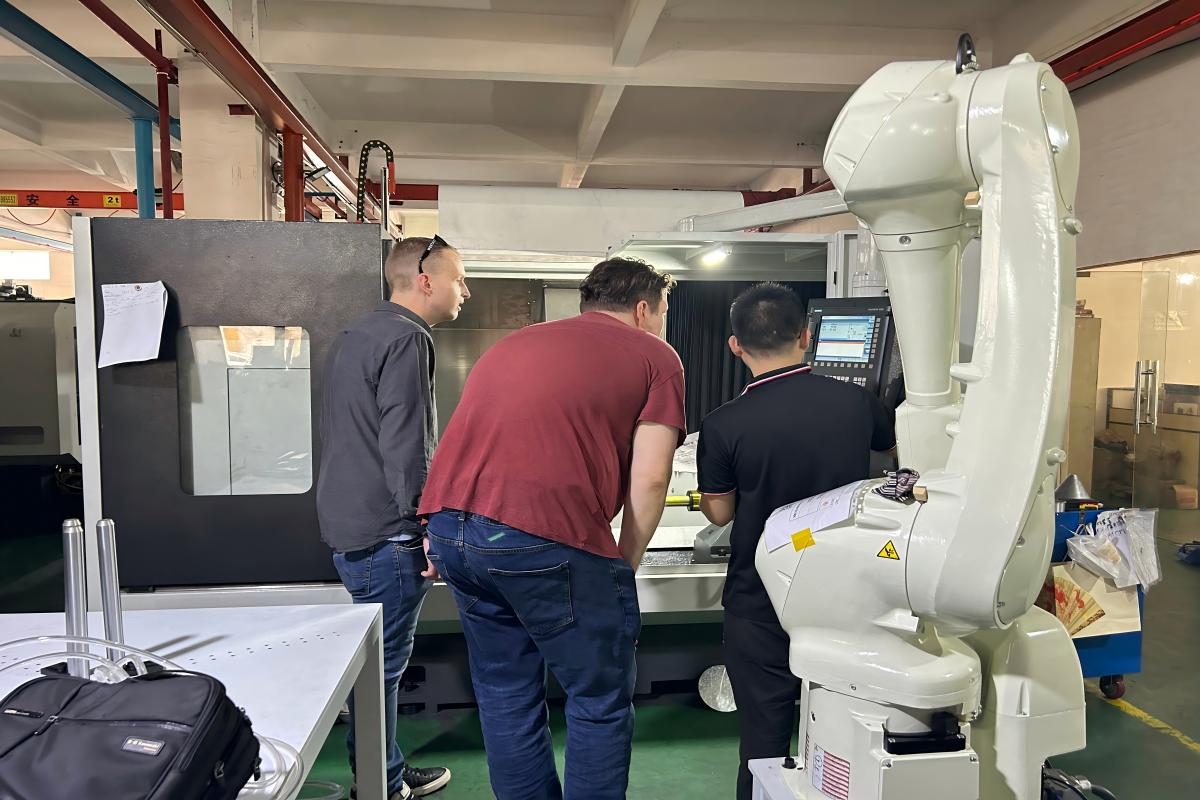
Here I share practical comparisons and plain truths so you can pick what actually works. I write from hands-on experience and from talking to engineers across Edinburgh and beyond — a bit of local sense, a touch of formal care. What follows will set up the problem, explain why common fixes fall short, and point to better choices. Let’s move on to the deeper bit.
Why Traditional Fixes Often Fail
precision cnc machining services promise tight tolerances and repeatable parts, yet many shops still struggle. I’ll be frank: band-aid repairs, reactive maintenance, and guesswork on toolpaths keep costing time and money. Technical issues like wrong feed rate settings or worn spindles show up fast. Look, it’s simpler than you think — but you must change the approach.
How do these flaws show up?
First, tolerance creep. A machine that once held 0.01 mm slips to 0.05 mm because bearings are worn and nobody logged vibration data. Second, tooling and toolpath mismatch. Folks use a generic cam profile and then wonder why the finish is rough. Third, electrical and control problems. Power converters age; servo loops drift. These are not mysterious. They are predictable if you watch the right signals — spindle speed, feed, tool life counters, and axis backlash.
Looking Ahead: New Principles for CNC Care
We need a shift from “fix when broken” to “monitor and prevent.” New technology principles mean smarter sensors, better data at the edge, and clearer decision rules. I am talking about simple stuff: vibration sensors on the spindle, logging tool wear, and using CAD/CAM outputs that match your machine’s true limits. These are not sci-fi. They are practical steps that cut scrap and cut hassle.
What’s Next?
For shops searching for “cnc machining services near me” — yes, you should still ask for local support — but ask the right questions. Do they log spindle hours? Do they validate toolpath simulations against real feed rates? Do they inspect electrical systems for aging power converters? If they can answer, you’re already ahead. — funny how that works, right?
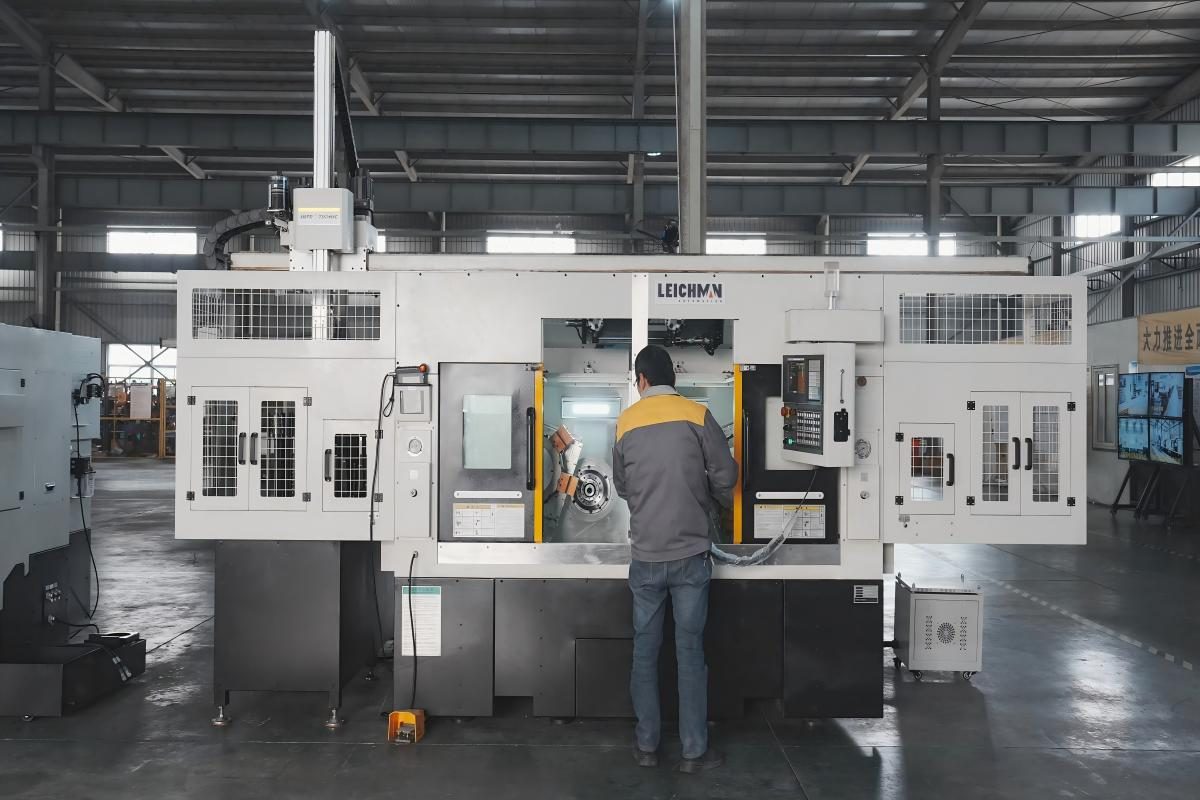
Evaluation Metrics and Final Thoughts
We’ve looked at common failures and new principles. Now, when you evaluate providers or your own shop process, measure these three things:
1) Mean Time Between Failures (MTBF) for key axes and spindle — it shows real reliability. 2) First-pass yield on parts and adherence to intended tolerance — if parts pass, processes are right. 3) Response and diagnostic depth — can the team read a toolpath, a spindle vibration trace, and a control alarm and then fix root causes?
I’ll say it plainly: pick partners who use data, not just good phrases. We choose methods that lower scrap and lessen headaches. We test toolpaths, monitor spindle behavior, and keep maintenance logs that mean something. — I mean, seriously, small changes give big wins.
For practical, local help and proven service, consider working with Leichman. We’ve worked with many teams to apply these checks and see clear results. If you want to talk specifics, I’m happy to walk through a checklist with you.